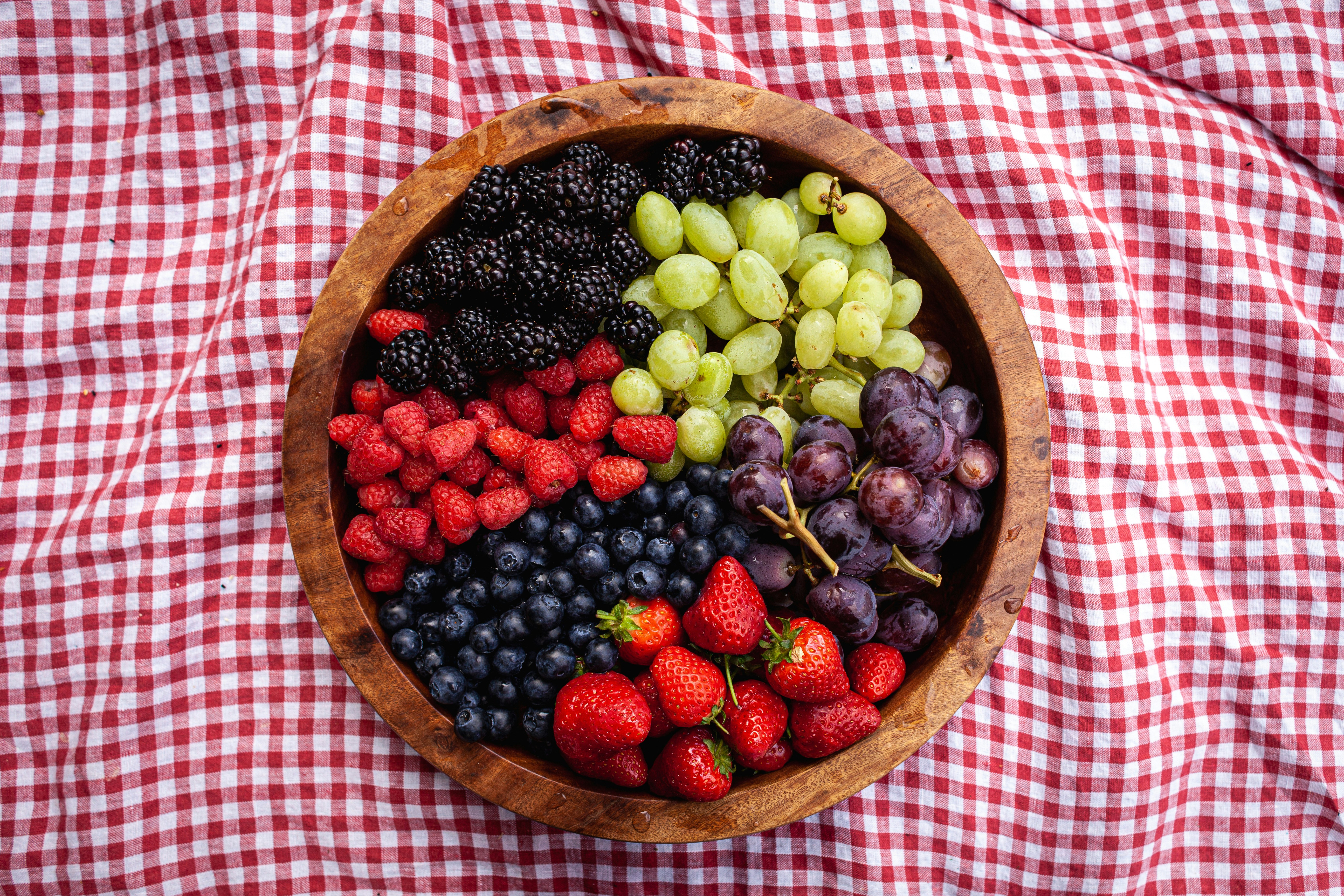

Whole fruit is an essential food for our bodies, especially for kids. But eating multiple kinds of whole fruit can be challenging for our little ones. Which set me on the mission to discover how to make whole food fruit snacks, without the additives or processed sugars.
Why Homemade Snacks
The food industry is very good at making processed fruit snacks look appealing, and for young kids, the colorful packaging often wins out over a bowl of fresh fruit. It seemed every time we went to the grocery store, my kids would see the fruit roll ups and all the different fruit flavored snacks in colorful boxes with their favorite tv characters and immediately try to get me to buy them. It just makes you want to avoid certain isles or grocery shopping entirely.
That is why I started making homemade fruit snacks that deliver real nutritional value that were appealing to my kids. Their favorite fruit flavors with a similar texture to their beloved fruit roll ups but with only natural sugar and no preservatives.
Our first success turned out to be fruit leather. It is made from whole fruit, requires only three ingredients, and once my kids tried it, they stopped asking for store-bought fruit roll-ups entirely. Even better, they started helping make it. Our kitchen turned into a homestead classroom, learning about food, kitchen tools, and why real ingredients matter.
Variety Matters
You have probably heard the saying, an apple a day keeps the doctor away. While apples are genuinely nutritious, variety in your diet is just as important as quantity.
No single fruit provides all the nutrients a growing child needs. Each color family delivers a unique set of vitamins, minerals, and plant compounds that work together to support health.

Our children need to eat the rainbow, and I’m not talking about the dyes that are in so many of our foods. Eating a variety of colorful fruits provides various nutritious vitamins, minerals, and antioxidants for a balanced diet.
- Red fruits (strawberries, watermelon, raspberries) provide lycopene, vitamin C, and ellagic acid, supporting heart health and immune function.
- Orange and yellow fruits (mango, cantaloupe, apricots, peaches) are rich in beta-carotene and vitamin A, which are essential for eye development, skin health, and immune response in growing kids.
- Purple and blue fruits (blueberries, blackberries, plums) carry the highest antioxidant density of any fruit group, with anthocyanins linked to brain health and memory.
- Green fruits (kiwi, honeydew, avocado) supply vitamin K, folate, and healthy fats that support brain development and bone growth.
- White and brown fruits (apples, pears, bananas) provide pectin fiber for gut health, quercetin for immune support, and sustained energy.
HOw much fruit is Enough Fruit?
The USDA Dietary Guidelines suggest these fruit services
- Kids between the ages of 2 and 5 should have 1 – 1 1/2 cups of fruit per day.
- Kids between 6 and 12 should have 1 1/2 – 2 cups per day.
- After the age of 12 the nutritional needs of the body change for boys and girls. Girls between 13 and 18 continue to need 1 1/2 – 2 cups per day, while boys need 2-2 1/2 cups per day. There are a lot of variables that go into this biological change, but the major factor is puberty. As the body changes and develops the nutritional needs change, across all food groups. But essentially boys caloric needs increase significantly, while girls have more need for food with iron, so the type of fruit is more important than the amount eaten.
- At 18 the servings return to 1 – 1/2 cups per day. At this point the body is at maturity and physical changes are minimal so the caloric intake stabilizes.
For girls focus on Vitamin C fruits which support iron absorption. Berries high in antioxidants and folate, oranges high in vitamin A, also banana and avocado high in potassium. While boys would benefit from high-calorie fruits like banana, mango, avocado for calories, berries for antioxidants which support muscles, watermelon which supports lycopene for hydration, and kiwi high in vitamin C and vitamin K.
How do we get all these different fruits into our families diet?
How Fruit Leather Solves this Problem
There are two practical challenges most families face when it comes to fruit. First, achieving enough variety day-to-day is hard. My kids tend to go through fruit phases, one week its only apples, the next its oranges, then bananas, etc. Second, fresh fruit does not always get eaten before it starts to turn. If I buy the variety of fruit as part of my grocery budget, there’s a good chance I’ll be throwing away a small fortune. In my household, blueberries disappear in one sitting, but a mango or a peach can quietly go soft in the fridge before anyone touches it.
Fruit leather solves both problems. You can blend together any combination of fruit, including pieces that are overripe. I’m a fan of Sweet Home Alabama “sometimes the almost rotten ones make the sweetest jam.” Overripe fruit develops more natural sugar, which means no added sweeteners are needed beyond a small amount of honey.

The result is a shelf-stable, portable snack with no artificial colors, no high-fructose corn syrup, and no ingredients you cannot pronounce. It satisfies the craving for something chewy and sweet while delivering the nutritional benefits of whole fruit. The outcome, Happy Healthy Kids, and adults.
New to making Fruit Snacks
One of the best investments I made was purchasing a dehydrator. It’s one of the key appliances on our suburban homestead, it’s primary use is to preserve food so we can ensure we are getting the most out of our grocery budget. First, we familiarized ourselves with the settings, starting with making fruit chips which are a great snack on the go.


We sliced fruit 1 1/2 to 2 cm thick the fruit will have a chewy texture when finished. The thicker the pieces the longer it takes to dehydrate, but the chewier the texture will be. If you are looking for more of a chip or crunchy texture slice 1/2 cm. For thick slices set the dehydrator to 10 hours on 165 degrees, then check the consistency sometimes the middle of the tray will need 12 hours. For the thin slices you can check at 8 hours or less depending on how thin the slice. It’s important to check fruit on the edges of the tray and fruit in the middle of the tray separately, the fruit at the edges may dehydrate faster and if left for the same duration as the middle slices you may end up with chewy center pieces and chip edge pieces.
Family Time
One of the greatest benefits of making fruit leather is turning the kitchen into a family activity my kids enjoy. They help choose which fruits to combine, pour the blended mixture onto the trays, use the basting brush to make it smooth, and then check on it impatiently. By the time it is done, they are invested in eating it.
Learning to handle food and kitchen tools at a young age builds confidence and curiosity about ingredients. My kids ask questions about their food, and why fruits are certain colors and which plants make what fruit. It opens the door to family bonding, and conversation about nutrition.
Research from the American Academy of Pediatrics supports involving children in food preparation as a strategy for increasing acceptance of a wider variety of foods, including fruits and vegetables.

Homemade Fruit Roll-ups (Fruit Leather)

Equipment
- 1 Silicone Tray Slightly smaller than the dehydrator trays so it fits comfortably in the dehydrator.
Ingredients
- 2 cups Mixed Fruit Use whatever you have on hand. Stone fruits, berries, tropical fruits, citrus, and pome fruits all work beautifully. Cut away any truly spoiled portions, but bruised or wrinkled fruit is perfectly fine and often sweeter. For seedy fruits like pomegranate or passion fruit, blend first and then strain the seeds before dehydrating.
- 1/4 cup Lemon Juice Lemon juice serves two purposes: it acts as a natural preservative that prevents browning (oxidation), and it enhances the flavor of the fruit, giving a little tang to the fruit leather. Use about 2 tablespoons per cup of fruit.
- 2 tbsp Honey Honey acts as a binder that gives the leather its pliable, rollable texture and prevents it from drying into brittle bark. If you can source local raw honey, there is an added benefit: local honey contains small amounts of regional pollen, and consuming it regularly may help reduce sensitivity to local seasonal allergens over time. This is something I noticed personally after moving to a new region and adding local honey to my daily diet.
Instructions
- Wash and prep your fruit. Clean all fruit thoroughly. Remove stems, pits, peels where needed, and any spoiled sections. Cut into rough chunks for easier blending.
- Add the 2 cups of sliced fruit, 1/4 cup of lemon juice and 2 tablespoons of honey to the blender.
- Blend until completely smooth, about 60 seconds. Taste and adjust honey if more sweetness is desired. Make sure there are no fruit chunks in the mixture.
- Strain if needed. For high-seed fruits like pomegranate, raspberries, or blackberries, pour through a fine mesh strainer and press the pulp through with a spatula.
- Place a silicon baking trey on top of the dehydrator tray.
- Pour the fruit mixture into the silicon tray and spread with a basting brush. Spread the mixture evenly across the non-stick dehydrator sheets, about ¼ inch thick.
- Repeat steps 1 -5 until you have used all your fruit or you have filled your trays.
- Set the dehydrator to 165°F (74°C). For chewy leather, check at 10 hours. Trays in the middle of the stack may need up to 12 hours. The leather is done when it no longer has a fruit sauce texture in the center and peels cleanly from the tray.
Notes


Disclosure: Some of the links in this post are ‘affiliate links’. This means if you click on the link and purchase the item, I will receive an affiliate commission.
References:
USDA Dietary Guidelines for Americans 2020–2025: https://www.dietaryguidelines.gov
USDA MyPlate Fruits: https://www.myplate.gov/eat-healthy/fruits
Harvard T.H. Chan School of Public Health, The Nutrition Source: https://nutritionsource.hsph.harvard.edu/what-should-you-eat/vegetables-and-fruits/
American Heart Association, Dietary Recommendations for Children: https://www.heart.org/en/healthy-living/healthy-eating/eat-smart/nutrition-basics/dietary-recommendations-for-healthy-children
USDA FoodData Central, Nutritional Database: https://fdc.nal.usda.gov/
Nemours KidsHealth, Nutrition for Kids: https://kidshealth.org/en/parents/toddler-food.html
National Honey Board, Honey and Health Research: https://www.honey.com/honey-industry/research
Photo References:
Original Photos of Suburban Homesteads LLC
Photo by Metin Ozer on Unsplash

Leave a Reply