
Homemade Fruit Roll-ups (Fruit Leather)

Homemade Fruit Roll-ups, creating whole food snacks that kids love and parents can be proud of.
Equipment
- 1 Silicone Tray Slightly smaller than the dehydrator trays so it fits comfortably in the dehydrator.
Ingredients
- 2 cups Mixed Fruit Use whatever you have on hand. Stone fruits, berries, tropical fruits, citrus, and pome fruits all work beautifully. Cut away any truly spoiled portions, but bruised or wrinkled fruit is perfectly fine and often sweeter. For seedy fruits like pomegranate or passion fruit, blend first and then strain the seeds before dehydrating.
- 1/4 cup Lemon Juice Lemon juice serves two purposes: it acts as a natural preservative that prevents browning (oxidation), and it enhances the flavor of the fruit, giving a little tang to the fruit leather. Use about 2 tablespoons per cup of fruit.
- 2 tbsp Honey Honey acts as a binder that gives the leather its pliable, rollable texture and prevents it from drying into brittle bark. If you can source local raw honey, there is an added benefit: local honey contains small amounts of regional pollen, and consuming it regularly may help reduce sensitivity to local seasonal allergens over time. This is something I noticed personally after moving to a new region and adding local honey to my daily diet.
Instructions
- Wash and prep your fruit. Clean all fruit thoroughly. Remove stems, pits, peels where needed, and any spoiled sections. Cut into rough chunks for easier blending.
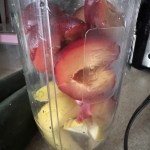
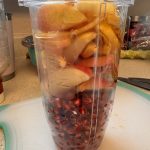
- Add the 2 cups of sliced fruit, 1/4 cup of lemon juice and 2 tablespoons of honey to the blender.
- Blend until completely smooth, about 60 seconds. Taste and adjust honey if more sweetness is desired. Make sure there are no fruit chunks in the mixture.
- Strain if needed. For high-seed fruits like pomegranate, raspberries, or blackberries, pour through a fine mesh strainer and press the pulp through with a spatula.
- Place a silicon baking trey on top of the dehydrator tray.
- Pour the fruit mixture into the silicon tray and spread with a basting brush. Spread the mixture evenly across the non-stick dehydrator sheets, about ¼ inch thick.
- Repeat steps 1 -5 until you have used all your fruit or you have filled your trays.
- Set the dehydrator to 165°F (74°C). For chewy leather, check at 10 hours. Trays in the middle of the stack may need up to 12 hours. The leather is done when it no longer has a fruit sauce texture in the center and peels cleanly from the tray.
Local raw honey is a worthwhile swap wherever possible. Beyond the texture it provides in this recipe, its natural antimicrobial and anti-inflammatory properties have been documented in nutritional research, and the local pollen content supports seasonal allergy resilience.
Avoid parchment paper as it adheres to the finished leather and is nearly impossible to remove cleanly.
If the edges are dry but the middle is not, cut the edges with the slicer and remove the finished rolls. Replace the tray in the dehydrator for another 2 hours. If you replace the whole try the edges may become over dry and have a chip consistency.
Notes
Tried this recipe?Let us know how it was!