Building a small homestead in the suburbs offers an opportunity to use the best of both worlds, the support of a community alongside the sustainability of a homestead life. And animals are an essential part of this lifestyle. You may be surprised by the wide variety of animals that become essential parts of your developing ecosystem. And they’re not all livestock.
From House Pets to Homestead Helpers
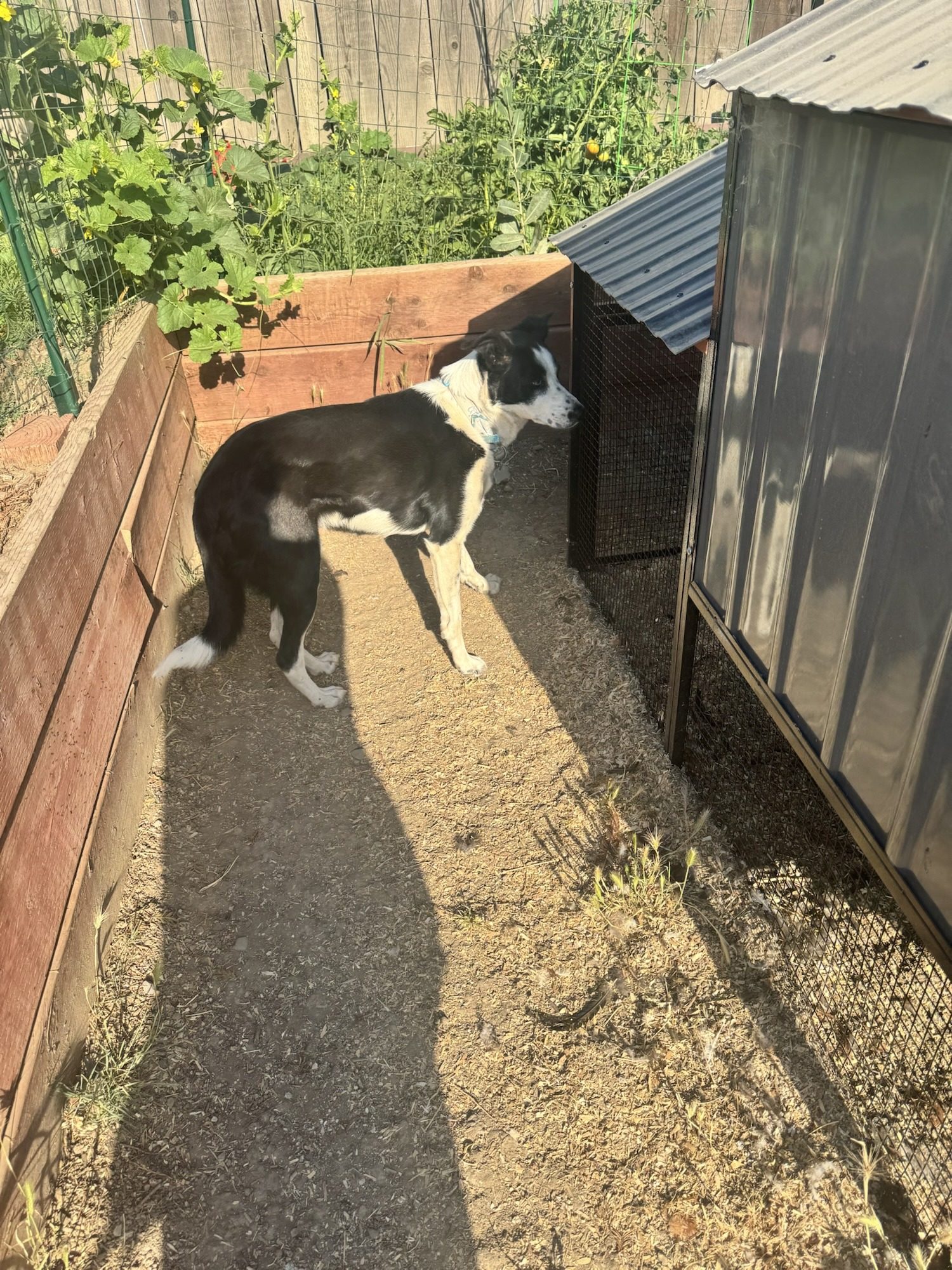
I didn’t think this at first, but of all the animals on our suburban homestead, our Border Collie might be the most essential. I don’t think of any of our animals as pets, more like partners in our ecosystem. I’ll admit I was hesitant about bringing a dog onto our homestead. Adding any new animal to any existing ecosystem is a risk, and I was genuinely worried she’d destroy the garden or harm the chickens. But she is equal part security system, garden warden, and chicken supervisor.

I’m happy to say that after a few weeks of getting to know her energy and learning the good and bad habits she possessed, I was wrong; it became clear what a valuable addition she was.
That said, not every dog is built for homestead life. Certain breeds are naturally well-suited to it, but that doesn’t mean that any dog wouldn’t be a valuable asset. Many dogs can be trained to take on important roles like alerting when strangers approach, guarding against unfamiliar animals, and protecting the other members of your homestead family.
A Little History Behind the Breed
Border Collies were developed along the Anglo-Scottish border, where they were bred to herd sheep across rugged terrain. ³ Their ancestry traces back centuries. Today, the Border Collie is widely recognized as the world’s premier sheepherding breed and arguably one the most trainable dogs.
Breed Instincts
I’ll be honest: when we first brought our Border Collie home, I was convinced it was only a matter of time before she treated the chickens like chew toys. Especially once we discovered she could open the coop.

But … it never happened.
We did secure the coop to protect the eggs. But on the few occasions our chickens found their way out, she’s corralled them and guided them back toward the coop rather than chasing them away. Not one chicken has ever been harmed by her, which, given her energy level, continues to amaze me. She protects them fiercely and occasionally teases them just to watch them scatter, classic dog behavior.
Giving her these jobs on the homestead has also been good for her. Animals can become bored and restless, just as we do, and having a job to do helps channel their energy productively. ⁶ A dog with purpose is a happier, calmer dog and that’s good for everyone on the homestead.
Training for a Homestead
True livestock guardian breeds, such as Great Pyrenees, Anatolian Shepherds, Maremmas, and others, are bred to bond with and protect a flock as their primary purpose. They live with their animals, and their protectiveness is deeply instinctual. ⁷ Border Collies, are herding dogs, their instinct is to move and manage the livestock. Redirecting that energy toward protecting smaller animals requires deliberate, patient training.
It’s important to begin the introduction process as early as possible. Getting your dog accustomed to chickens while she’s young helps her understand they are part of her group, not something to chase. ⁸ The process involves supervised introductions, leash work, and consistent positive reinforcement, and it takes weeks to months, not days. Trainers consistently emphasize that patience and consistency aren’t just helpful; they’re essential. ⁹
Foundational commands like “leave it” and “gentle” establish the boundary between your dog’s natural instincts and your chickens’ safety. ¹⁰
A well-trained homestead dog doesn’t just protect your property; she protects your animals, your garden, and your family. She earns her place every single day.
The Second Job: Garden Guardian
If you’ve lived in a suburban neighborhood, you already know the cats are everywhere. I’ve counted up to seven on our street at one time. Animal control has made multiple appearances on our block, but it’s hard to tell which cats are strays and which are pets that roam freely.
This isn’t just an annoyance. For anyone growing food, stray and feral cats are a genuine concern.
According to the University of California’s Integrated Pest Management program, feral cats can carry contagious diseases, including flea-borne typhus, rabies, and intestinal parasites like hookworm. ¹ More specifically, outdoor cats shed Toxoplasma gondii, a parasite that can survive in contaminated soil long after the cat has moved on. The CDC confirms that humans can be exposed through ingesting garden vegetables grown in that soil, and this is a risk for pregnant women and immunocompromised individuals. ²
But don’t let this deter you from growing your own food. It just means taking the right precautions, and for us, our dog is one of the most effective preventative measures we have.

She has access to all the areas where we grow food. The garden beds themselves are protected by fencing tall enough that she can’t jump in, but close enough to the perimeter that any would-be intruder is quickly deterred. She keeps midnight catfights off our property and more importantly keeps the garden beds free from the kind of contamination that could compromise our soil or the vegetables coming out of it.
Feeding Our Homestead Partner
We were fortunate when we adopted our dog. She’s a unique match for our lifestyle, so protecting her health has become a real priority.
In keeping with our homestead values, we do our best to make some of her meals with fresh, homegrown ingredients. When we can’t feed her ourselves and need to rely on commercial food, we wanted something that reflected the same whole-food philosophy we apply to our own kitchen.
After researching dog food brands for both quality and long-term affordability, we found Acana. From the moment you open the bag, it smells exactly like its ingredients. According to their website information, they use farm-raised proteins and whole food ingredients, which is exactly the type of ingredients we want our family to eat. We combine the dry kibble with the wet food to encourage her to eat a complete meal. Since switching, her coat is brighter, her energy is more consistent, and her appetite is steady.
We supplement with homemade treats, which include boiled chicken, dried beef, but always in moderation. Dogs’ digestive systems are quite different from ours, and not everything we cook is safe for them. Garlic is a good example: a common ingredient in our kitchen, but toxic to dogs, even in small amounts. ¹¹ We’re careful with any cooking scraps that we use to make dog food treats.
A high-quality commercial food plus thoughtful homemade additions gives our partner the nourishment she needs and helps keep her healthy enough to do the important work she does every day on this homestead.
Disclosure: Some of the links in this post are ‘affiliate links’. This means if you click on the link and purchase the item, I will receive an affiliate commission.
Resources:
¹ UC Cooperative Extension / UC IPM — Feral Cats and Their Impact in Communities
² CDC — Toxoplasmosis: Causes and How It Spreads (cdc.gov/toxoplasmosis/causes)
³ AKC — Border Collie History: The Herding Dog’s Development Through Time
⁴ Wag! — Border Collie Breed History
⁵ Scottish-at-Heart — History of the Border Collie
⁶ Kalmbach Feeds — 5 Reasons Your Flock Needs a Dog for Protection
⁷ Fox Pines Homestead — Herding vs. Guardian Dogs
⁸ Urmah Kennel — Guide to LGD Training
⁹ For Love of Livestock — Training Livestock Guardian Dogs to Chickens
¹⁰ Urmah Kennel — LGD Training Guide (“leave it” and “gentle” commands)
¹¹ ASPCA — People Foods to Avoid Feeding Your Pets (aspca.org)

Leave a Reply